

If you’ve kept an eye on recent trends, you probably already know that heat waves are showing up more often and hitting harder across many regions. For rental property owners and investors across the country, this extreme heat brings a unique set of challenges. That’s because sustained extreme heat can significantly affect building systems, add to maintenance demands, and take a toll on resident comfort. All of this makes it that much more important to work extreme heat mitigation into your landlord summer prep routine. Proactive planning is, in fact, the most reliable way to protect your property and tenants when extreme heat hits.
Understanding the Risks of Prolonged High Temperatures
Extreme heat isn’t like typical summer weather—it affects residential properties in particular ways. When temperatures soar well above normal, this puts added strain on a property’s major systems, including the HVAC system. In certain climates, keeping indoor temperatures comfortable during extreme heat means the air conditioner runs constantly, which wears down a system that’s already working hard. This tends to increase energy costs too, especially if your system isn’t performing at peak efficiency.
Extreme heat can also weaken or damage certain building materials, including wood, plastics, adhesives, exterior finishes, roofing materials, paint, caulking, and sealants. Signs of heat damage—fading, cracking, peeling, weakening, warping, and more—can start to show up, adding to maintenance and repair needs.
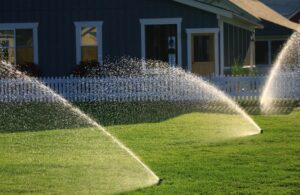
Finally, a property’s landscaping is vulnerable to serious damage from extreme heat. Without the ability to tolerate high temperatures, a lawn, plant, or tree may burn, wilt, or die outright in extreme heat. Even proper watering doesn’t necessarily prevent this from occurring. Soil changes and erosion caused by extreme heat and drought can also create additional issues once the rain comes back.
Preparing early, before temperatures peak, is the best way to counter the dangers of extreme heat.
Cooling Equipment Works Harder During Heat Waves
Extended periods of heat put extra pressure on air conditioning systems that are already straining to keep a property cool. This additional strain can surface in a number of different forms, including:
- Reduced system efficiency
- Higher levels of wear and tear
- Breakdowns in the cooling system
- More maintenance requests
- Rising utility bills
To prevent these problems, be sure to have your HVAC system serviced and inspected before the extreme heat arrives. If your system is aging or worn, it faces a higher risk of breaking down during extreme heat. To sidestep costly emergency repairs, it’s worth budgeting for a system replacement earlier in the year.
Resident Comfort Becomes a Top Priority
The other side of keeping your HVAC system running smoothly is ensuring your occupants are safe and comfortable in the heat. Comfortable tenants tend to stick around longer, so proactive maintenance and repair of your cooling system has a direct effect on retention, reviews, and lease renewals, to name a few. The added cost of HVAC maintenance and repairs isn’t appealing to most rental property owners, but the long-term price of ignoring a faltering system and unhappy tenant can be much higher. Extreme heat poses a real, potentially deadly risk that shouldn’t be dismissed. Given this, property owners should prioritize addressing cooling concerns promptly during extreme heat events.
Smart Landlord Summer Prep Strategies
Ahead of rising temperatures, rental property owners should take care of several key maintenance and repair tasks. Preventing problems early is the best way to avoid pricier issues once a heat wave hits.
Some of the most effective prep strategies for your summer maintenance checklist include:
- Inspect and service all major systems, including the HVAC system.
- Install fresh air filters.
- Update and inspect weatherstripping and insulation.
- Test and repair irrigation systems.
- Assess your shade and landscaping, updating or adding elements as needed.
- Put emergency maintenance procedures in place. Make sure residents know what to do during a heat-related emergency, and have vendors vetted and ready to respond.
When summer emergencies arise, early prevention proves less costly than emergency repairs made during peak season.
Energy-Efficient Upgrades That Help During Heat Waves
Along with your property preparations, consider adding a few energy-efficient upgrades to help protect your property and residents all summer long. By easing the load on major systems, boosting energy efficiency, and naturally softening extreme heat’s effects, these improvements benefit both property owners and tenants.
Consider these particularly helpful upgrades:
- Thermostats with programmable settings
- Stronger insulation
- High-efficiency windows
- Window coverings that block UV light
- Trees that offer natural shade
- Pergolas, shade sails, or umbrellas
- Light-toned or reflective roofing and siding materials
Together, these and similar property improvements can improve resident comfort and safety while lowering energy consumption, even amid extreme heat events.
Staying Ahead of Seasonal Challenges
Almost every part of rental property operations—HVAC performance included—can feel the impact of heat waves, right down to resident satisfaction. However, with proper preparation and preventative maintenance, your investment can be better protected from costly surprises during the hottest time of year.
Has your rental property been prepared for extreme summer heat? Contact Real Property Management Varanasi in Malvern today to learn how our proactive maintenance programs, local expertise, and property management services can help protect your investment and keep residents comfortable all season long.
This content is provided for general informational and educational purposes only and does not constitute financial, legal, tax, or investment advice. Readers should consult with licensed professionals regarding their specific circumstances.
We are pledged to the letter and spirit of U.S. policy for the achievement of equal housing opportunity throughout the Nation. See Equal Housing Opportunity Statement for more information.
