

The Rental Advantage | Greater Philadelphia property-management insights from Ravi’s Desk
Quick answer: One month of vacancy usually costs a rental owner more than one month of rent. Lost income is only the beginning. Utilities, cleaning, repairs, marketing, leasing preparation, and delays between vendors can increase the total loss significantly.
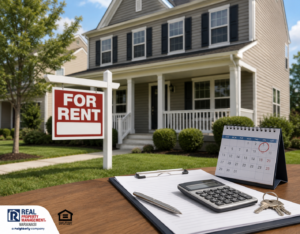
Understanding the rental vacancy cost in Greater Philadelphia is especially important for owners who depend on consistent rental income to cover mortgage payments, taxes, insurance, association fees, maintenance, and long-term investment goals.
Vacancy Costs More Than the Missing Rent Payment
When a rental property sits vacant, the most visible loss is the rent that was not collected. But several other expenses often continue—or begin—during the same period.
Some turnover expenses are necessary between residents. The financial problem develops when those expenses are poorly coordinated, the property is priced incorrectly, or the rental remains off the market longer than necessary.
A Greater Philadelphia Vacancy-Cost Example
Consider an illustrative example of a townhome renting for $2,400 per month in a community such as Downingtown, Collegeville, King of Prussia, West Chester, or another Greater Philadelphia suburb.
| Potential 30-Day Vacancy Expense | Illustrative Cost |
|---|---|
| One month of lost rent | $2,400 |
| Utilities and basic property services | $175 |
| Cleaning and minor make-ready work | $650 |
| Rekeying, inspection, and listing preparation | $325 |
| Estimated total | $3,550 |
This example is not a quote or estimate for a specific property. Actual expenses vary according to the property’s condition, rent, location, season, utility responsibilities, and work required before the next resident moves in.
If the vacancy extends from 30 days to 45 days, the owner loses another half-month of rent—approximately $1,200 in this example. The estimated vacancy impact would then rise from $3,550 to approximately $4,750.
That is why reducing unnecessary vacancy days can be as important as negotiating small savings on an individual repair.
Why Rental Vacancies Become More Expensive Than Expected
1. The Property Is Priced Above the Active Rental Market
Owners understandably want to maximize rent. But an asking price that is not supported by current competing properties may reduce inquiries, showings, and applications.
For a $2,400 rental, holding out for an additional $100 per month could cost more than it earns. One vacant month loses $2,400, while the additional $100 would produce only $1,200 over a full year.
The objective is not simply to advertise the highest possible rent. It is to identify the strongest rent the market is likely to accept within a reasonable leasing period.
2. Make-Ready Work Begins Too Late
Cleaning, painting, repairs, safety checks, rekeying, landscaping, and municipal requirements should be planned before the previous resident moves out whenever possible.
If each vendor is scheduled only after the prior task is completed, a project that should take several days can easily extend into several weeks.
3. Marketing Waits Until Every Detail Is Finished
Some properties can be marketed before the final make-ready work is complete, provided the available date and property condition are represented accurately.
Waiting until the property is completely vacant, cleaned, repaired, photographed, and approved before beginning any marketing may create avoidable downtime.
4. Inquiries and Showings Are Not Handled Quickly
Prospective residents frequently contact several rental properties at the same time. Delayed responses, limited showing availability, unclear instructions, or inconsistent follow-up can cause qualified prospects to move on to another home.
5. The Owner Focuses Only on Filling the Property
Reducing vacancy does not mean accepting the first available applicant. Weak screening may solve today’s vacancy while creating tomorrow’s nonpayment, property damage, lease-enforcement problem, or eviction.
The goal is a shorter, controlled vacancy followed by a well-qualified resident—not occupancy at any cost.
How a Better Leasing System Can Reduce Vacancy
A consistent leasing process can reduce the number of avoidable days between residents. Important steps include:
- Reviewing the lease expiration and renewal decision well in advance
- Completing a pre-move-out property evaluation when appropriate
- Preparing the repair scope and vendor schedule before possession is returned
- Pricing the property using current competing rentals and recent leasing activity
- Launching professional marketing promptly
- Responding quickly to inquiries and providing convenient showing options
- Applying written and consistent screening standards
- Reviewing listing performance weekly and adjusting when the market provides clear feedback
No process can guarantee that a property will never experience vacancy. The purpose of professional leasing management is to make the timeline measurable, organized, and responsive rather than reactive.
The Real Goal Is Not Zero Vacancy
Owners sometimes assume that a successful rental should move directly from one resident to another without a single vacant day. That can happen, but it should not be the only measure of success.
A few well-planned days may be necessary to document the property’s condition, complete repairs, perform preventive maintenance, improve presentation, and protect the owner’s investment.
The better objective is to eliminate unnecessary vacancy while preserving property standards and screening quality.
What Rental Owners Should Track
Owners and investors should evaluate more than the final lease signing date. Useful leasing measurements include:
- The number of days between receiving notice and beginning preparations
- The number of days required to complete make-ready work
- The date marketing began
- Inquiry and showing activity
- The number and quality of applications received
- The advertised rent compared with competing rentals
- The final lease rate compared with the original pricing strategy
- The total days the property produced no rental income
These measurements help owners identify whether a vacancy was caused by the market, property condition, pricing, vendor delays, marketing performance, or the leasing process itself.
What Could One Month of Vacancy Cost Your Rental?
The answer depends on more than the monthly rent. A property with association fees, owner-paid utilities, lawn care, snow service, extensive turnover work, or a high mortgage payment may carry a much larger vacancy burden.
For owners with multiple properties, even a small reduction in average vacancy days can make a meaningful difference in annual portfolio performance.
Real Property Management Varanasi helps rental owners across the Greater Philadelphia area evaluate rent, coordinate property preparation, market vacancies, screen applicants, and manage the complete resident lifecycle.
Find Out What Vacancy Could Cost Your Property
Request a complimentary rental analysis from Real Property Management Varanasi.
Call: 215.770.2707
Visit: RPMvaranasi.com
Email: [email protected]
Buy • Sell • Lease • Manage • Invest
We Deliver Peace Of Mind!
Proudly Serving the Greater Philadelphia Area
This content is provided for general informational and educational purposes only and does not constitute financial, legal, tax, or investment advice. Readers should consult with licensed professionals regarding their specific circumstances.
We are pledged to the letter and spirit of U.S. policy for the achievement of equal housing opportunity throughout the Nation. See Equal Housing Opportunity Statement for more information.
